
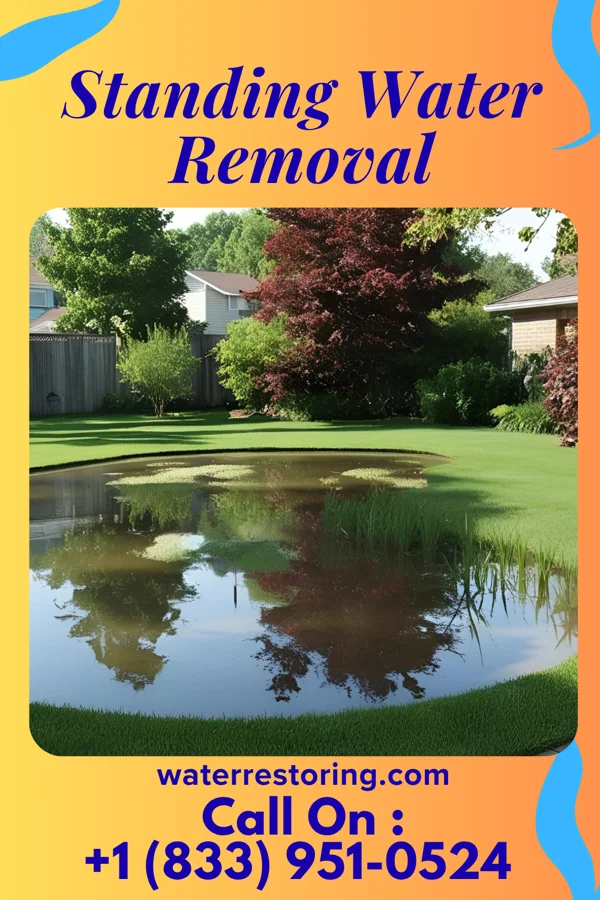
Standing Water Across West Ocean City Neighborhoods
Every neighborhood in West Ocean City has a different water damage risk profile. The one that shows up on most restoration calls is In West Ocean City, Maryland, primary water damage often stems from storm surges and heavy rainfall due to its coastal location near the Atlantic Ocean. Flooding from nearby Ocean City and the frequent summer thunderstorms can lead to significant water intrusion in homes and businesses.. A close second is Secondary causes include plumbing leaks from aging infrastructure, sewer backups during heavy rains, and groundwater seepage in low-lying areas near Ocean Pines. These issues are exacerbated by the rural nature of the community and its proximity to water bodies..
West Ocean City experiences a humid subtropical climate with high precipitation levels, particularly during the summer months. This increases the risk of water damage from both natural and man-made sources, making timely response critical.
Water damage in West Ocean City follows a few local patterns. In West Ocean City, Maryland, primary water damage often stems from storm surges and heavy rainfall due to its coastal location near the Atlantic Ocean. Flooding from nearby Ocean City and the frequent summer thunderstorms can lead to significant water intrusion in homes and businesses. accounts for the bulk of our calls. West Ocean City experiences a humid subtropical climate with high precipitation levels, particularly during the summer months. This increases the risk of water damage from both natural and man-made sources, making timely response critical. Mold can quickly develop in the humid coastal climate of West Ocean City, especially in older homes with poor ventilation. Prompt water damage restoration is essential to prevent mold growth and protect both health and property.
For public guidance on the health effects of mold after prolonged water exposure, see the EPA mold and health page.